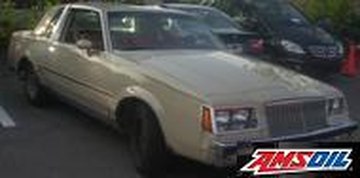
1983 Buick Regal 4.3L Diesel: Understanding Oil Selection
When selecting a lubricant for the 4.3L diesel engine in this 1983 Buick Regal, it is essential to distinguish between an oil's viscosity and its quality certifications. While many drivers focus on the thickness of the oil, the chemical properties and service ratings are equally critical for ensuring the engine receives the correct level of protection.
Viscosity vs. API Service Ratings
The most important distinction to make during the selection process is between SAE viscosity and API (American Petroleum Institute) service classifications. Viscosity refers to the oil's resistance to flow, which determines how easily it moves through the engine components under different operating conditions. For this specific application, you should match the engine oil to the application-specific viscosity information shown above on this page.
On the other hand, API service ratings indicate the oil's performance capabilities and the level of additive technology present in the formulation. These ratings are not a substitute for the correct viscosity; rather, they work alongside it. When evaluating products, consider the following:
- Viscosity: This must align with the specific requirements for your engine to ensure proper lubrication and flow.
- Service Ratings: These confirm that the oil meets modern standards for detergency, oxidation stability, and wear protection.
- Formulation Type: You may choose between conventional, synthetic-blend, or full synthetic oils. While these formulations offer different levels of thermal stability and resistance to breakdown, they must still meet the viscosity requirements of the engine.
Evaluating Oil Formulations
Choosing a formulation is often a matter of balancing intended service intervals and operating conditions with the specific needs of the 4.3L diesel engine. It is a common misconception that switching to a synthetic oil will automatically resolve mechanical issues or change the fundamental requirements of the engine. A synthetic oil provides different chemical advantages, such as improved flow at lower temperatures or better stability under high heat, but it does not override the necessity of using the correct viscosity.
If you are considering high-mileage formulations, be aware that some high-mileage oil formulations contain additives intended for use in aging engines. Some high-mileage formulations also include seal-conditioning additives. These can be useful considerations for older engines, but they should be selected as a supplement to—not a replacement for—the correct viscosity and service rating.
Verifying Product Compatibility
To avoid errors during maintenance, always verify the product label against the application details provided. A common mistake is selecting an oil based solely on its "Full Synthetic" marketing or a generic "Diesel" label without confirming that the SAE viscosity matches your specific engine's needs. Because different engines within the same vehicle line can have varying requirements, relying on general automotive knowledge rather than the specific data for your 4.3L diesel engine can lead to improper lubrication.
When selecting an oil filter, apply similar logic. Rather than choosing a filter based on its physical size or appearance, ensure it is selected based on application-specific fitment. This includes verifying thread compatibility, sealing dimensions, and the correct mounting arrangement for this specific engine configuration.
Practical Next Steps for Selection
The most efficient way to ensure you are choosing the correct lubricant is to use the application-matched listings provided on this page. By reviewing the engine-oil information and matching products displayed above, you can compare suitable options that have been identified for your specific 1983 Buick Regal 4.3L diesel engine. These listings serve as your primary reference for finding the correct viscosity and appropriate service ratings for your next oil service.